Safety Considerations for Commercial Concrete Sawing and Removal
People seeking commercial concrete sawing and removal often want safe, efficient ways to cut and remove concrete; local service providers can ensure proper safety measures are followed.
Property owners considering commercial concrete sawing and removal often recognize the importance of safety considerations to ensure a smooth and secure project. Whether upgrading a building, making structural adjustments, or performing renovations, understanding the potential risks and necessary precautions is essential. Local contractors specializing in concrete sawing and removal are well-versed in these safety practices, helping to minimize hazards and protect both workers and surrounding property during the process. Exploring this topic can provide practical insights into how proper safety measures contribute to successful project outcomes and peace of mind.
For property owners in the area, working with experienced service providers ensures that safety considerations are integrated into every phase of the job. From assessing site-specific risks to employing the right equipment and techniques, local contractors prioritize safe procedures while efficiently handling concrete removal tasks. Continuing to read can reveal how these professionals manage safety, offering guidance on what to expect and how to prepare for a safe, effective concrete sawing and removal experience.
- Commercial building renovations - when existing concrete structures require removal or modification, local contractors prioritize safety considerations for commercial concrete sawing and removal to prevent damage and ensure worker safety.
- Utility line installation or repair - during underground utility work, local service providers focus on safety measures for concrete sawing and removal to avoid hitting hidden lines and causing hazards.
- Floor cutting and removal in commercial spaces - for interior remodeling projects, local pros implement safety protocols for concrete sawing and removal to protect workers and adjacent structures.
- Structural modifications in industrial facilities - when altering load-bearing elements, local contractors emphasize safety considerations for concrete sawing and removal to maintain stability and prevent accidents.
- Parking lot or sidewalk modifications - during surface adjustments, local service providers approach safety considerations for concrete sawing and removal to minimize dust, debris, and risk of injury.
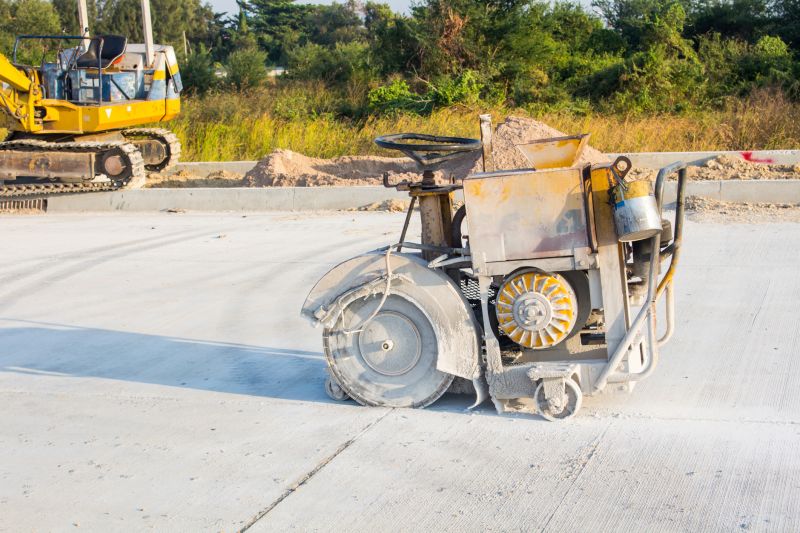
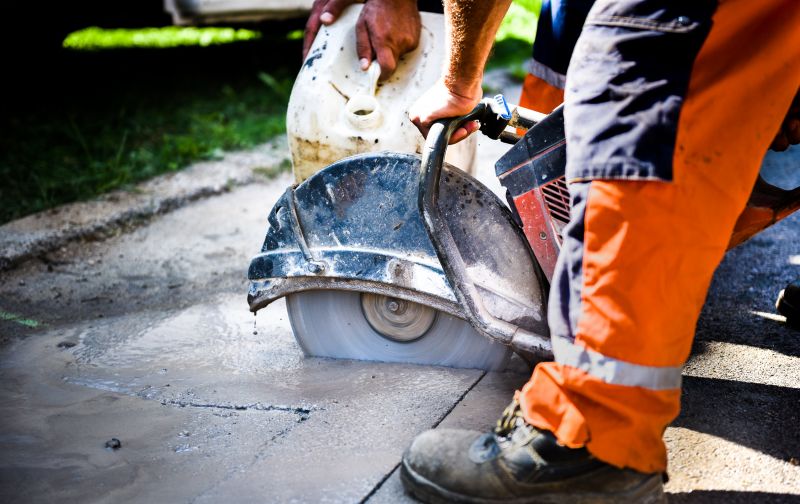
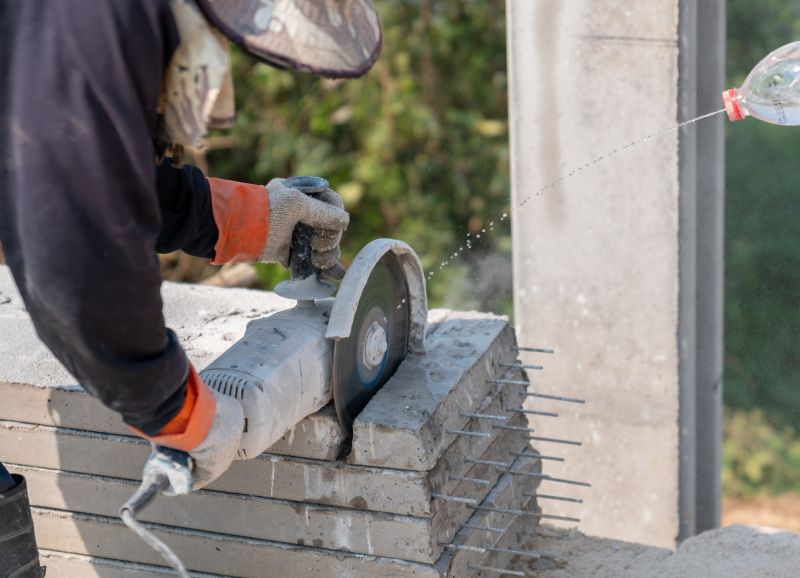
When people search for safety considerations for commercial concrete sawing and removal, they are often looking to understand the potential hazards involved in these types of projects. Commercial concrete sawing and removal typically involve cutting through large, hardened surfaces such as floors, walls, or pavements, which can pose risks if proper precautions are not followed. Property owners and project managers want to ensure that workers, nearby occupants, and the surrounding environment are protected from common dangers like dust inhalation, flying debris, electrical hazards, and structural instability. Understanding these safety concerns helps in planning a project that minimizes risks and complies with safety standards, making it essential to work with experienced local contractors who prioritize safety protocols.
These safety considerations are closely related to a variety of project plans and problem-solving scenarios. For instance, when retrofitting a building, creating openings for windows or doors, or removing old concrete slabs, there is a need to carefully evaluate the structural integrity of the existing property. Proper safety measures are critical to prevent accidental collapses or damage to adjacent structures. Additionally, projects that involve working in tight or congested spaces require special attention to ventilation, dust control, and equipment handling. Property owners often seek guidance on how to safely execute these plans, and local service providers specializing in commercial concrete sawing and removal can offer expertise in assessing risks and implementing safety procedures tailored to each project’s specific needs.
The types of properties that typically come up in discussions about safety considerations for commercial concrete sawing and removal are diverse. These include commercial buildings such as warehouses, retail centers, and office complexes, as well as industrial facilities and parking structures. Sometimes, residential properties undergoing large-scale renovations or demolitions also require concrete cutting services. Each property type presents unique safety challenges; for example, a busy retail space demands careful planning to avoid disrupting daily operations, while an industrial site may involve working around heavy machinery and hazardous materials. Local contractors familiar with these property types understand the importance of adapting safety measures to fit the context, ensuring that the project proceeds without incident.
For homeowners or property managers considering concrete sawing and removal, understanding safety considerations is a key part of preparing for the job. These professionals handle a range of tasks, from cutting through thick concrete slabs to removing debris safely and efficiently. They use specialized equipment designed to contain dust and minimize noise, reducing the impact on the surrounding environment and occupants. Working with experienced local service providers ensures that safety protocols are followed throughout the project, helping to prevent accidents and structural issues. This approach not only protects everyone involved but also supports a smoother, more predictable project process, making it easier for property owners to achieve their renovation or maintenance goals with confidence.
Asphalt Cutting Projects - Professionals experienced in asphalt cutting utilize similar saws and safety protocols as those used in concrete sawing, making their skills relevant for projects requiring precise cuts and safety awareness.
Demolition and Debris Removal - Demolition contractors handle the safe removal of concrete and other materials, applying planning and safety measures comparable to those in concrete removal services.
Parking Garage Renovations - This type of project involves cutting and removal of concrete structures, requiring careful safety planning and specialized tools similar to commercial concrete sawing.
Foundation Penetration and Core Drilling - These tasks demand precision and safety considerations comparable to concrete sawing, often performed by service providers with expertise in structural modifications.
Industrial Floor Cutting - Cutting large industrial concrete floors involves similar safety precautions and equipment handling as commercial concrete sawing, making these projects comparable.
Structural Reinforcement Removal - Removing or modifying structural elements involves planning and safety protocols akin to concrete removal, with local contractors equipped for such specialized work.
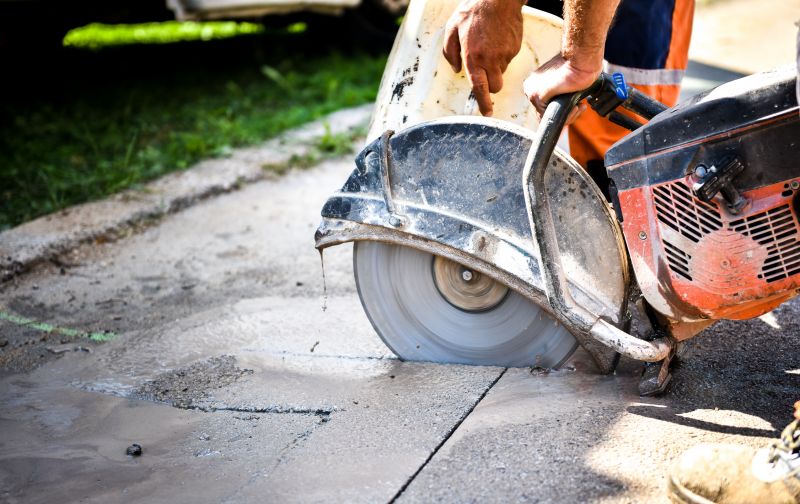
When comparing service providers for commercial concrete sawing and removal, it is important to consider their experience with similar projects. An experienced contractor will have a track record of handling concrete cutting and removal tasks comparable in scope and complexity to the job at hand. This experience can be a valuable indicator of their ability to navigate safety considerations effectively, ensuring that procedures are tailored to the specific demands of the project. Homeowners should inquire about the types of projects the contractor has completed and seek evidence of familiarity with the particular challenges involved in their work environment.
Clear and detailed written expectations are essential when evaluating local contractors for concrete sawing and removal services. A reputable service provider should be able to outline their approach, safety protocols, and the scope of work in a transparent manner. This helps ensure that both parties have a shared understanding of the process, reducing the risk of misunderstandings that could impact safety. Homeowners are encouraged to request written estimates and project plans that specify safety measures, equipment to be used, and any precautions that will be taken during the work.
Reputable references and effective communication are key factors in selecting a reliable contractor. Speaking with past clients can provide insights into the contractor’s ability to deliver quality work while maintaining safety standards. Additionally, good communication-such as responsiveness, clarity in explanations, and willingness to address questions-can indicate a contractor’s professionalism and commitment to safety considerations for commercial concrete sawing and removal. Ensuring that the service provider is approachable and transparent can help foster a positive working relationship focused on safety and project success.
Property owners often search for safety considerations for commercial concrete sawing and removal when they are planning practical projects around their homes and businesses. Local pros provide Commercial Concrete Sawing and Removal services for everyday jobs and straightforward project options.
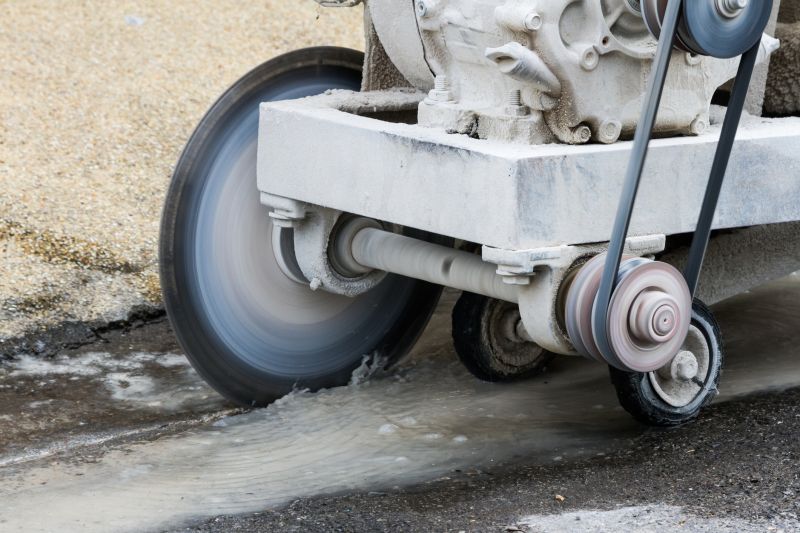
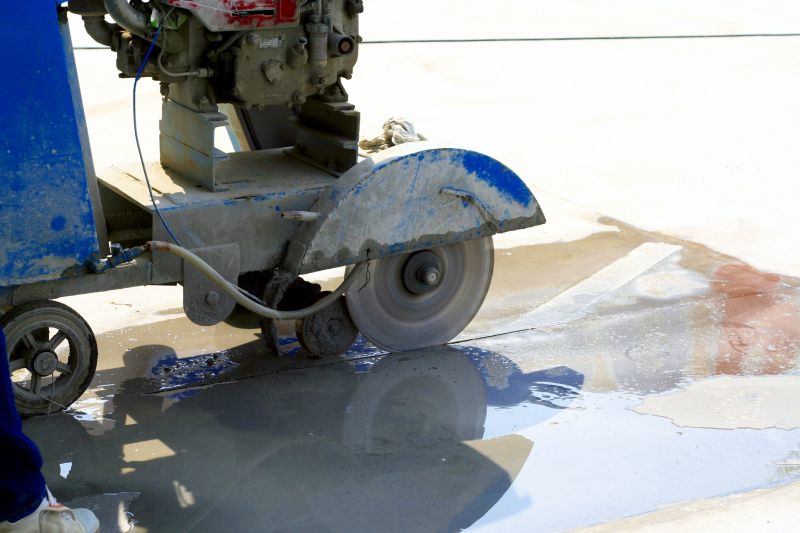
Safety considerations for commercial concrete sawing and removal are essential for property owners planning renovation, demolition, or repair projects. Everyday situations, such as creating new doorways, removing damaged sections of pavement, or installing utilities, often require precise cutting and removal of concrete. Property owners in the area might seek out professional services to ensure the work is performed safely and efficiently, minimizing risks to workers and surrounding structures. Local contractors specializing in concrete sawing and removal possess the experience and equipment necessary to handle these tasks while adhering to safety protocols, helping to prevent accidents and property damage.
Choosing experienced service providers is a practical step for property owners concerned about safety during concrete cutting projects. These professionals understand the importance of proper planning, equipment use, and site management to reduce hazards. Whether dealing with thick slabs or complex layouts, local experts can evaluate the site and recommend appropriate safety measures, such as dust control and proper tool handling. Engaging with qualified concrete sawing and removal specialists helps property owners manage safety considerations effectively, ensuring the project progresses smoothly and reduces potential risks associated with the work.
What safety considerations should be addressed before starting commercial concrete sawing and removal? It is important to evaluate the site for potential hazards, ensure proper ventilation, and plan for appropriate dust and debris control to protect workers and nearby areas.
How do local contractors ensure safety during concrete sawing and removal? Local service providers typically follow safety protocols that include using personal protective equipment, maintaining equipment properly, and following industry best practices to minimize risks.
What equipment safety features are important for commercial concrete sawing and removal? Safety features such as blade guards, emergency shut-off switches, and dust suppression systems help reduce hazards during operation, and reputable contractors ensure these are in place.
Are there specific safety precautions for handling dust and debris during concrete removal? Yes, proper dust suppression methods, such as water spray systems and dust barriers, are essential to protect workers and the environment during the process.
Why is site assessment important for safety in concrete sawing and removal projects? A thorough site assessment helps identify potential safety hazards, facilitating the development of effective safety plans and ensuring that local contractors can perform the work safely and efficiently.
Proper equipment handling - Ensuring that all equipment is operated according to safety guidelines helps prevent accidents during concrete sawing and removal projects.
Site assessment - Conducting a thorough assessment of the work area allows property owners to identify potential hazards before work begins.
Protective barriers - Using barriers or warning signs can keep unauthorized personnel at a safe distance from active sawing and removal zones.
Safety training - Relying on local contractors who emphasize safety training can help property owners understand best practices for a secure project environment.
If you are thinking about safety considerations for commercial concrete sawing and removal for a property, this guide is meant to help you understand this topic, the typical project types, and how different options might fit your plans.
When you are ready, you can use the quote form on this page to share a few details about your project. From there, local pros can review the basics and follow up with options that match what you have in mind.